
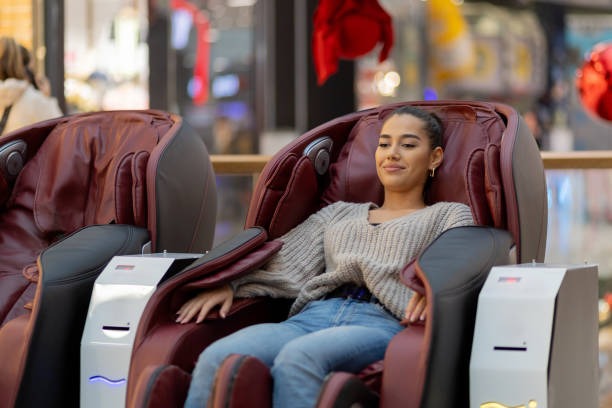
Swimming is a highly effective full-body workout that engages multiple muscle groups, promoting cardiovascular health and enhancing endurance. However, like any intense physical activity, swimming can lead to muscle fatigue and soreness. Athletes and recreational swimmers alike often seek methods to accelerate muscle recovery and reduce discomfort after their sessions. One increasingly popular solution is the use of massage chairs. But can massage chairs genuinely help with muscle recovery after swimming?
Massage chairs are designed to simulate various massage techniques such as kneading, tapping, rolling, and shiatsu. These mechanisms work by applying pressure and movement to muscles, which can promote blood circulation and relieve tension. Improved blood flow is crucial for muscle recovery because it helps deliver oxygen-rich blood and essential nutrients to fatigued tissues while removing metabolic waste products like lactic acid that accumulate during exercise.
After a swim workout, muscles may feel tight or sore due to microtears in the fibers caused by repetitive motion or overexertion. Using a massage chair reviews can provide gentle mechanical stimulation that encourages relaxation of these muscles without the need for manual intervention from another person. This accessibility makes massage chairs an attractive option for swimmers who want quick relief at home.
Additionally, many modern massage chairs come equipped with heat therapy features that further aid in soothing stiff muscles by increasing local temperature. Heat helps relax muscle fibers more effectively than cold treatments alone post-exercise when inflammation is minimal but stiffness persists.
While scientific research specifically examining the effects of massage chairs on post-swimming recovery is limited, studies on general sports recovery suggest that massages help reduce delayed onset muscle soreness (DOMS) and improve flexibility shortly after exercise sessions. The benefits seen from traditional massages likely translate well into what high-quality massage chairs offer since they mimic similar motions.
It’s important to note though that not all massage chairs are created equal; quality varies widely based on technology used-such as 3D rollers versus basic vibration-and customization options available for targeting specific body areas like shoulders or lower back where swimmers might experience concentrated tension.
In conclusion, incorporating a session in a well-designed massage chair after swimming could be beneficial for accelerating muscle recovery by reducing soreness through enhanced circulation and relaxation of tight muscles. While it should not replace proper cool-down routines including stretching and hydration, using a massage chair serves as an effective complementary tool in managing post-swim muscular fatigue conveniently within one’s own space. Swimmers considering this option should invest in reputable models with adjustable settings tailored to their needs for optimal results.
